Future Navigator · investment concept
The economics of materials
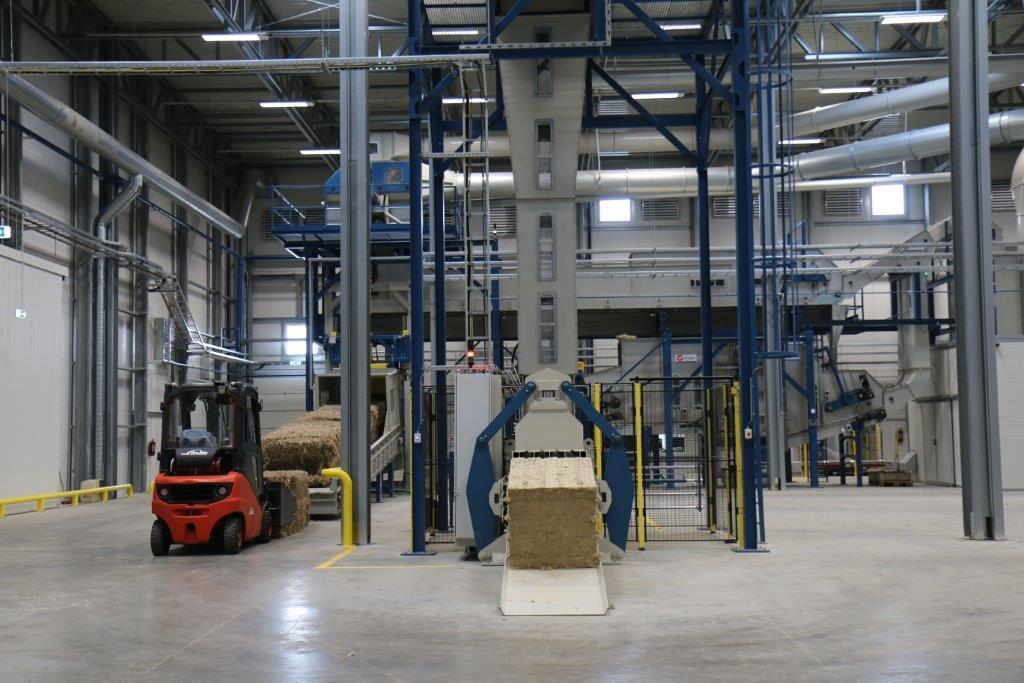
An industrial hemp processing facility. Multiple product streams, one raw material base and controlled quality.
Business model
Beyond raw materials. Finished products.
Raw material supply
Contract cultivation and stalk supply. Agreed moisture, cleanliness and quality requirements.
Value-added processing
Cotonin, felt, insulation and technical materials, rather than selling only unprocessed fiber.
Industrial markets
Textiles, construction, automotive components, packaging and composites. Products made to customer specifications.
Future Navigator · Opti Notes
One direction. A connected ecosystem.
A&V Hemp is the industrial materials direction of the ecosystem: cultivation, processing and products. A shared management framework links records, production, logistics and analytics.
AI-assisted orchestration
Coordinating data, tasks and exceptions across processes
AI supports analysis and recommends actions; accountable team members verify the data and approve decisions.
- 01
Receiving & records
Raw material receipts, documents, batches, inventory and movement of funds.
Transaction traceability
- 02
Production
Work orders, raw material consumption, product output and quality control.
Planned vs. actual output by batch
- 03
Logistics
Inventory, routes, shipment schedules and delivery confirmation.
Tracking through to the customer
- 04
Analytics
Consolidated metrics, costs, variances and reports across business directions.
Supporting management decisions
Investor transparency
The concept provides for reporting on use of funds, milestone completion, material flows and delivery outcomes. Each metric is accompanied by its source, update date and accountable owner; information access is defined by agreement.
Target operating model. This page presents a concept: live data connections, automation and reporting scope are confirmed separately as implementation progresses.
Capital · business-plan scenario
Capital allocation
4.05 million USD
Total of five categories in the source model
Processing equipment
Decortication, cleaning, drying and a felt production line
Agricultural machinery
Cultivation, harvesting and stalk preparation
Working capital
Raw materials, personnel, energy and logistics
Facility preparation
Utilities and production infrastructure
Design & permits
Design, licensing and advisory services
A reference from the supplied business plan, not an approved budget or supplier quotation. Final costs depend on the site, equipment, permits and farming partnership model.
Production scenario
Capacity depends on the operating schedule
1 tonne/hour
Dry stalk processing
2 × 8 hours
Shift schedule · 300 working days
4,800 tonnes/year
Calculated input capacity
This is a design example, not current production. The source plan contains differing input volumes and product yields; fraction balances, crop yields and line utilization must be reconciled before calculating profit.
Implementation pathway
From project design to commercial supply
Project design
Demand research, raw material supply, site selection and permits.
Stage outcomeProduct specifications and an agreed project design
Equipment procurement
Equipment selection, utility preparation and supply agreements.
Stage outcomeA prepared site and a complete processing line
Commissioning
Installation, team training, process tuning and acceptance testing.
Stage outcomeValidated process parameters
Commercial supply
Customer qualification of materials and shipment planning.
Stage outcomeProducts meeting agreed specifications
Scaling
Increasing capacity utilization and expanding the product range.
Stage outcomeExpansion following demand validation
Investment decision criteria
Demand & sales
Validation of customer needs, sample qualification and sales agreements. Negotiations do not constitute guaranteed purchases.
Raw materials & quality
Cultivation contracts, variety trials and moisture control. Seasonality is reflected in inventory and working capital.
Technology & site
Supplier proposals, energy and water access, material testing and compliance with local requirements.
Financial validation
A consistent material balance, verified prices, costs, taxes and sensitivity to utilization. Profit and payback are not guaranteed.